
Guitar Tonewood for Sale: Exploring the Best Woods for Acoustic and Electric Guitars
In today’s evolving market, experienced suppliers and dedicated artisans continue to elevate the standards of tonewood preparation and sustainability. Their expertise provides luthiers—both seasoned professionals and emerging creators—with reliable access to exceptional wood. This foundation allows every crafted instrument to reflect a unique blend of natural resonance and skilled workmanship, setting the stage for remarkable musical expression.
Table of Contents
The craft of building expressive instruments begins with the careful selection of tonewood, a material that has shaped musical artistry for generations. From rich warmth to dynamic projection, the character of an instrument is deeply connected to the wood chosen for its construction. As interest in premium materials grows, many builders explore high-quality guitar soundboards for sale, ensuring their creations offer clarity, balance, and long-lasting performance.
Understanding the Foundation of Guitar Tonewood Craft
Tonewood selection carries a long legacy. Builders have spent generations understanding the relationship between stiffness, weight, grain, and resonance. Even slight variations in texture influence how an instrument reacts when played. This depth of character encourages musicians to elevate their performance, as the responsiveness of premium wood transforms subtle expressions into vibrant tones.
Though modern technology and woodworking machinery have advanced, traditional knowledge still shapes the cutting and seasoning process. This ensures every set of material promises long-term durability and tonal integrity. Organizations like Pacific Rim Tonewoods continue to champion these traditions through their extensive experience and commitment to preservation.
Tonewood for Acoustic Excellence
The Role of Acoustic Tops and Resonant Surfaces
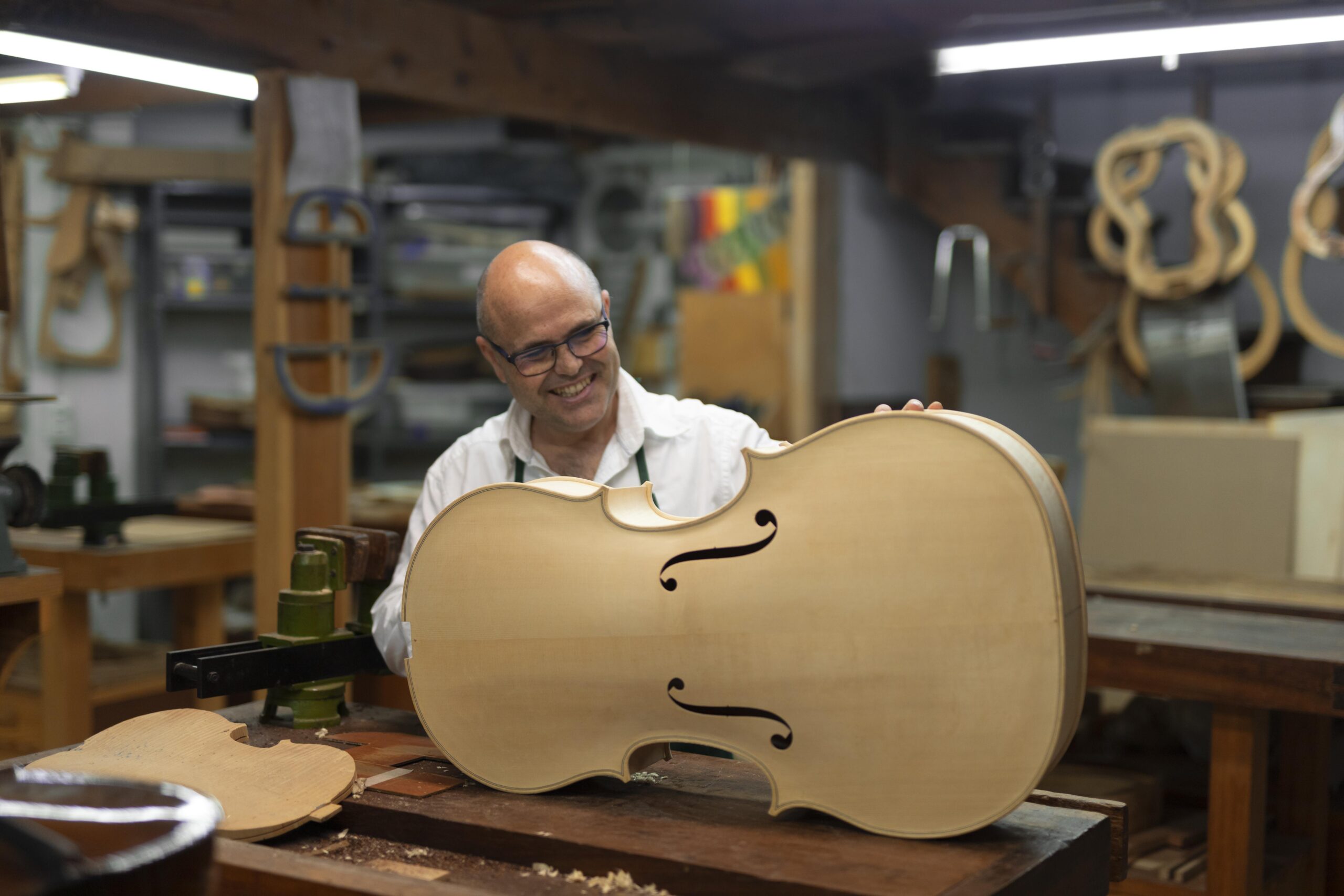
At the heart of many acoustic instruments lies a carefully crafted top that brings the entire body to life. The best luthiers emphasize stiffness-to-weight balance to achieve ideal responsiveness. Whether crafting delicate fingerstyle instruments or strong projection-oriented models, the top interacts with internal bracing to provide tonal definition.
The availability of guitar soundboards through specialized suppliers allows builders to select premium cuts that complement hand-voicing techniques. Many prefer materials with straight, even grain and consistent color, which signals maturity and proper seasoning. These attributes contribute to expressive clarity and refined dynamics, especially in professional-grade builds.
Materials Behind Acoustic Character
Spruce varieties remain popular due to their strength and lively response. Engelmann, Sitka, and European types each carry distinct tonal signatures. Cedar, with its warm and quick response, often appeals to players who enjoy gentle, nuanced expression. Hardwoods like mahogany add mid-focused warmth when incorporated as tops for certain blues-style instruments.
Some builders select acoustic guitar soundboards for their ability to project with impressive clarity. Access to seasoned wood, whether obtained directly or through high-quality suppliers offering guitar soundboards for sale, ensures confident craftsmanship across a wide range of models. The consistency of these surfaces is essential for those pursuing balanced tone and lasting structural stability.
Modern Access to Online Wood Sources
With growing interest among independent luthiers, purchasing tonewood through digital platforms has become increasingly practical. Reliable providers offer guitar soundboard online opportunities where builders can review cuts, grain characteristics, and quality specifications before ordering. These platforms simplify access to exclusive tonewood not always available locally, enabling hobbyists and professionals to elevate their craft regardless of location.
Exploring Tonewood for Electric Instruments
Electric Tops and Their Influence on Character
Electric instruments rely on pickups for amplification, yet the surface material still affects sustain, resonance, and tactile response. Many builders integrate visually stunning tops to combine expressive tone with elegant aesthetics. Those who experiment with different woods often appreciate how subtle variations enrich harmonic overtones.
The use of electric guitar soundboard material allows crafters to pair captivating grain patterns with stable structural properties. Maple, walnut, and exotic hardwoods remain popular choices for their density and visual appeal. When properly bookmatched, these materials provide a distinctive look that enhances professional-grade instruments.
Crafting Visual and Tonal Harmony
A strong visual presence often complements the tonal qualities of electric instruments. Flame, quilted, and spalted figures remain in high demand among builders and collectors. These patterns highlight the craftsmanship behind each piece and reflect a deeper connection between nature and artistry.
Selecting guitar soundboard wood for electric builds allows creators to achieve a balance between tone and design. Durability, texture, and grain flow contribute to a cohesive result that appeals to discerning players. With support from experienced suppliers such as Pacific Rim Tonewoods, the process of securing reliable, ethically sourced materials becomes significantly more efficient for modern builders.
Tonewood Sourcing Through Experienced Operations
The acquisition of exceptional tonewood relies on expertise. Every stage — from timber selection to cutting, drying, and grading — requires precision. Operations that function as a sawmill must understand how specific cuts influence tonal strength and long-term resilience.
Many professional workshops emphasize collaboration with forestry partners who prioritize sustainability. This practice ensures that premium woods remain available for future generations while respecting natural ecosystems. Builders appreciate providers who maintain ethical standards and transparent processes, allowing them to craft instruments with confidence.
A dedicated service that delivers high-quality tonewood enables independent luthiers to develop advanced skills without worrying about inconsistent supply. Matching craftsmanship with steady material access strengthens the overall quality of instruments created across the industry. These collaborative networks of artisans and suppliers enrich global musical culture and foster innovation.

Crafting with the Best Guitar Soundboards
Quality Indicators in Premium Soundboards
The term best guitar soundboards often reflects wood that exhibits balanced stiffness, visually appealing grain, and predictable resonance. Experienced crafters quickly recognize these attributes and rely on them to shape refined tonal responses. The grading process involves evaluating clarity, medullary rays, color uniformity, and ring spacing — all key factors in producing expressive surfaces for high-end instruments.
Adapting Tonewood to Various Builds
Every builder’s approach differs, but each one understands that tonewood ultimately determines an instrument’s character. Whether constructing large-bodied acoustics, compact travel models, or expressive electrics, tonal ambition drives material selection. Modern tools and curing methods help artisans adapt each wood type to their signature style.
This balance of artistry and precision underscores why experienced luthiers continue to prioritize premium materials. The connection between creator, craft, and natural resources forms the foundation of every expressive instrument produced today.
Conclusion
The world of tonewood remains a cornerstone of professional-grade instruments. Every piece of material carries centuries of natural development, allowing builders to sculpt expressive voices that resonate with players across genres. As artisans refine their techniques, the demand for stable, visually striking, and tonally rich wood continues to grow. This ongoing collaboration between nature and craftsmanship supports an ever-evolving musical landscape.
For those committed to high-quality builds, the availability of responsibly sourced materials ensures lasting creativity. By understanding the distinct properties of each species and leveraging reputable suppliers, modern builders can achieve consistency, beauty, and long-term performance. Tonewood remains more than a resource — it is the beginning of every remarkable instrument and the key to unlocking its complete artistic potential.
FAQs
How do different wood species influence tonal character?
Each species affects resonance, responsiveness, and clarity due to differences in density, grain, and stiffness.
Many reputable providers offer detailed specifications and grading, allowing builders to access quality pieces through trusted platforms.
Consistency in grain, maturity, and proper seasoning often determines tonal strength and stability.
Do electric instruments benefit from quality tops?
Yes, even though pickups amplify the signal, top materials still contribute to resonance, sustain, and aesthetic appeal.
How important is sustainability in tonewood sourcing?
Responsible harvesting preserves long-term availability and supports healthy ecosystems, essential for future woodworking and instrument building.