

Western Red Cedar: Advantages and Disadvantages
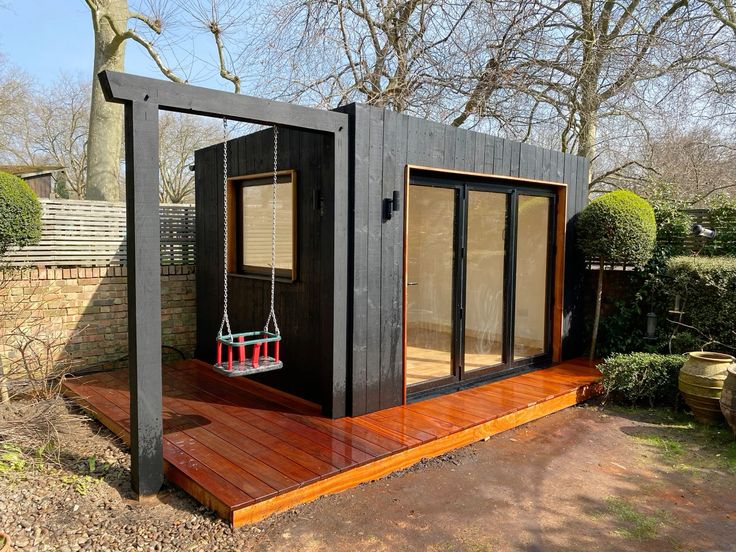
Western Red Cedar (Thuja plicata) is renowned for its natural beauty and exceptional qualities, making it a popular choice for various applications, from exterior siding to interior paneling. However, like any material, it has its pros and cons. In this comprehensive guide, we will delve into the advantages and disadvantages of Western Red Cedar, providing you with detailed insights to help you make an informed decision, especially when considering it for cladding purposes.
Advantages of Western Red Cedar
Natural Durability and Resistance
Western Red Cedar is celebrated for its natural durability. The wood contains natural preservatives that make it highly resistant to decay, insects, and moisture. This inherent resilience makes it an ideal choice for outdoor projects such as decking, fencing, and shingles, where exposure to the elements is a significant concern.
Aesthetic Appeal
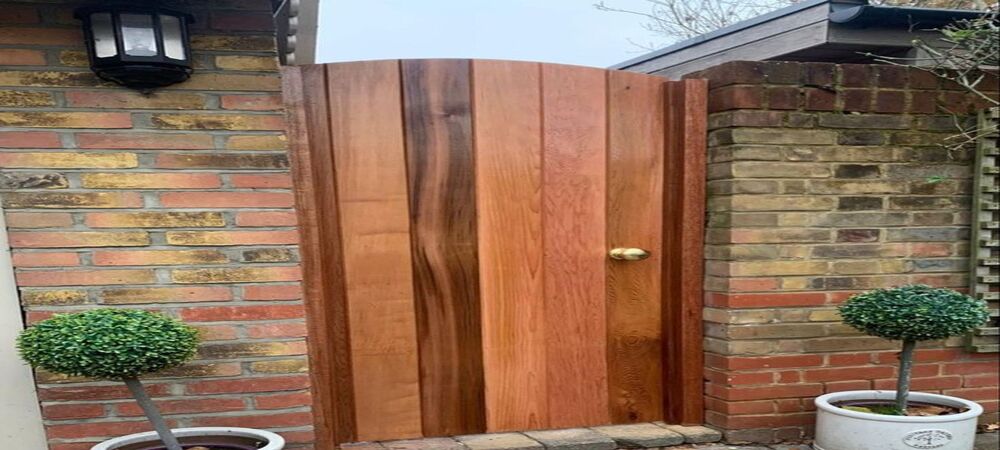
One of the most striking features of Western Red Cedar is its aesthetic appeal. The wood boasts a rich, warm hue ranging from pale amber to deep honey brown, which can enhance the visual appeal of any structure. Its fine, straight grain, and uniform texture allow for a smooth, clean finish that can be left natural or stained to achieve the desired look.
Dimensional Stability
Western Red Cedar exhibits excellent dimensional stability. It has a low shrinkage factor, which means it is less likely to warp, twist, or check compared to other wood species. This stability is crucial for applications where precise dimensions are essential, such as in window and door frames or intricate architectural details.
Thermal Insulation
Western Red Cedar provides superior thermal insulation. Its low density and porous nature trap air, making it an effective insulator. This property helps to maintain a comfortable indoor temperature and can contribute to energy savings in residential and commercial buildings.
Workability
Western Red Cedar is renowned for its workability. It is lightweight yet strong, and it can be easily cut, shaped, and finished with standard woodworking tools. This ease of handling makes it a favorite among craftsmen and builders for both small-scale and large-scale projects.
Environmental Sustainability
Choosing Western Red Cedar is an environmentally sustainable option. The wood is sourced from responsibly managed forests in North America, and its production has a lower environmental impact compared to many synthetic materials. Additionally, Western Red Cedar is biodegradable and can be recycled at the end of its life cycle.
Disadvantages of Western Red Cedar
Cost
One of the primary disadvantages of Western Red Cedar is its cost. It is generally more expensive than other softwoods and many synthetic alternatives. The higher price is attributed to its desirable properties and the sustainable practices involved in its harvesting and production.
Maintenance Requirements
Western Red Cedar requires regular maintenance to retain its appearance and performance. Without proper care, the wood can fade to a silvery-gray color over time due to UV exposure. Regular staining or sealing is necessary to preserve its natural beauty and protect it from the elements.
Softness and Susceptibility to Damage
Despite its many strengths, Western Red Cedar is a softwood, making it more susceptible to dents, scratches, and other surface damage compared to hardwoods. This characteristic can limit its use in high-traffic areas or applications where the wood might be subject to heavy wear and tear.
Potential for Resin Stains
Western Red Cedar can sometimes exhibit resin stains, which are natural discolorations caused by the presence of extractives in the wood. These stains can affect the uniformity of the finish and may require additional treatment or selective staining to achieve a consistent appearance.
Availability and Supply
The availability of high-quality Western Red Cedar can vary depending on the region and the specific requirements of a project. In some areas, obtaining premium-grade cedar may be challenging, leading to delays or the need to source alternative materials.
Conclusion
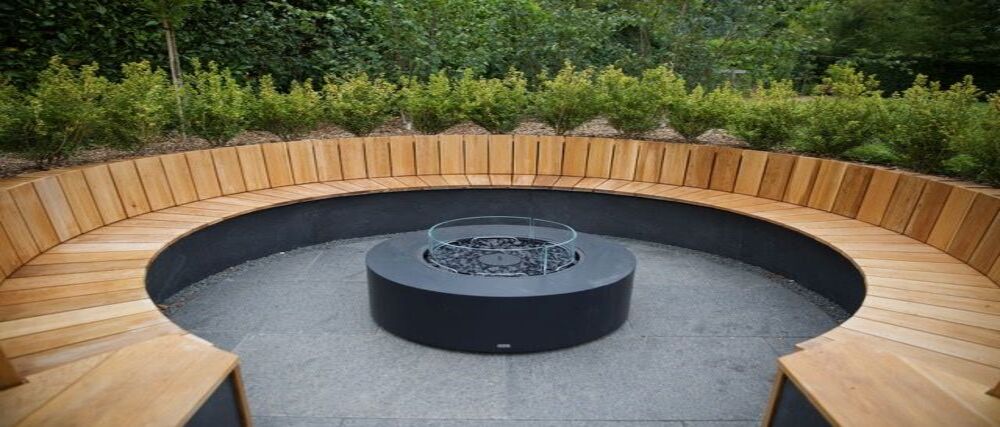
Western Red Cedar is a versatile and beautiful material with a range of benefits that make it an excellent choice for many construction and design applications. Its natural durability, aesthetic appeal, and environmental sustainability are compelling advantages. However, the higher cost, maintenance needs, and susceptibility to damage are factors that should be carefully considered.
By weighing these advantages and disadvantages, you can determine if Western Red Cedar is the right material for your specific project needs. Its unique characteristics and timeless appeal continue to make it a favored choice for those seeking quality and beauty in their building materials.